What is Thoracoscopy?
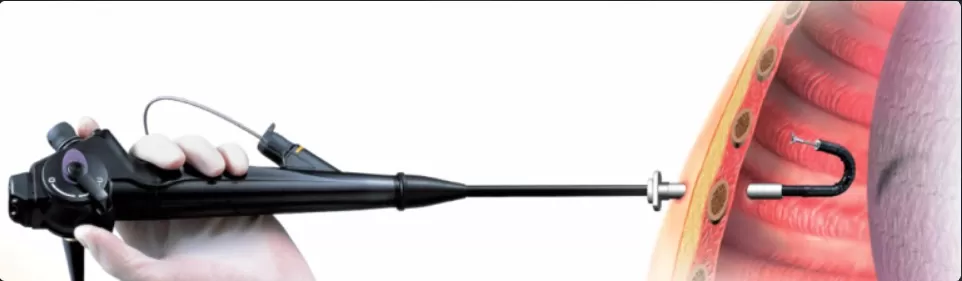
Thoracoscopy is a procedure that allows direct visualization of the pleural space and lungs. It is typically performed under general or local anesthesia and can serve both diagnostic and therapeutic purposes.
There are two main types of thoracoscopy:
- Medical Thoracoscopy (Pleuroscopy): Performed by pulmonologists to examine and biopsy the pleura, drain fluid, or administer medications into the pleural space.
- Surgical Thoracoscopy (Video-Assisted Thoracoscopic Surgery - VATS): A more advanced form performed by thoracic surgeons to remove lung nodules, treat pneumothorax, or perform lung biopsies.
Symptoms Indicating the Need for Thoracoscopy
A doctor may recommend thoracoscopy for patients experiencing:
- Persistent fluid buildup in lungs
- Recurrent fluid buildup
- Pneumothorax
- Atypical effusion / septa
- Suspicion of lung cancer or pleural tumours
Thoracoscopy helps in diagnosing diseases like pleural effusion, mesothelioma, lung cancer, and tuberculosis by providing direct access to the affected area.
How is Thoracoscopy Performed?
- Preparation: The patient undergoes pre-procedure evaluations, including blood tests and imaging scans.
- Anesthesia: The patient receives either local anesthesia with sedation or general anesthesia.
- Incision and Insertion: A small incision is made in the chest wall, and a thoracoscope is inserted.
- Examination and Biopsy: The doctor examines the pleura and lungs, takes biopsies if needed, and may drain excess fluid.
- Treatment (if required): Procedures like pleurodesis (sealing the pleural space) or tumor removal can be performed.
- Closure and Recovery: The thoracoscope is removed, and the incision is closed. A chest tube may be placed temporarily to drain fluid or air.
The procedure usually lasts between 30 minutes to 2 hours, depending on its complexity.
Possible Risks and Side Effects
While thoracoscopy is generally safe, some potential risks include:
- Mild pain or discomfort at the incision site
- Temporary shortness of breath
- Infection (rare but possible)
- Bleeding (if a biopsy is taken)
- Air leakage causing a prolonged pneumothorax (rare)
Most patients recover within a few days and can resume normal activities soon after.
Preventive Measures & Post-Thoracoscopy Care
To ensure a smooth recovery and lung health:
- Follow Post-Procedure Instructions: Rest adequately and take prescribed medications as directed.
- Monitor for Symptoms: Seek medical attention if experiencing severe pain, difficulty breathing, or excessive bleeding.
- Maintain Good Lung Health: Avoid smoking and exposure to pollutants.
- Hydration & Nutrition: A balanced diet and proper hydration aid in faster healing.
- Regular Follow-ups: Attend follow-up appointments to monitor progress and ensure complete recovery.
Conclusion
Thoracoscopy is a valuable diagnostic and therapeutic tool for evaluating lung and pleural conditions. It provides direct access to the chest cavity, allowing for early diagnosis and treatment of serious respiratory diseases. With proper care and preventive measures, patients can recover quickly and maintain optimal lung function.