What is Bronchoscopy?
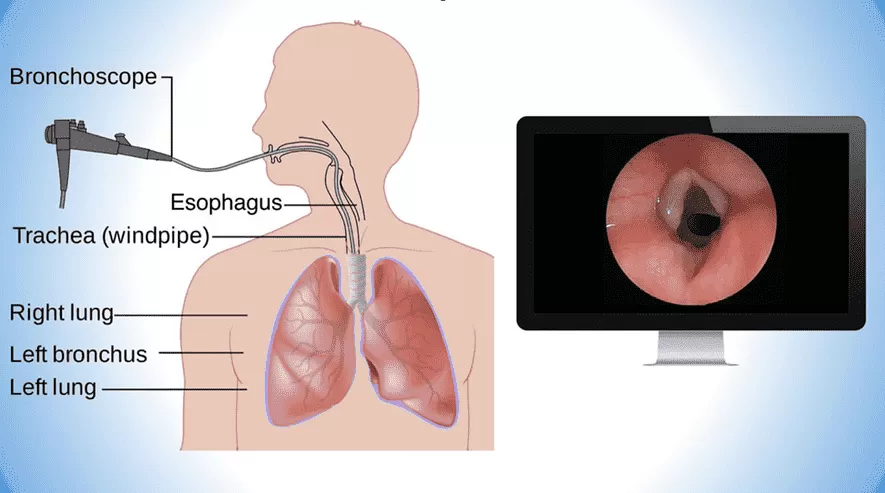
Bronchoscopy is a minimally invasive procedure that enables direct visualization of the airways. It can be performed using either:
- Flexible Bronchoscopy: The most common type, used for diagnosing lung diseases and obtaining tissue samples.
- Rigid Bronchoscopy: Used in emergencies or for specific treatments, such as removing foreign objects or treating excessive bleeding in the lungs.
Doctors may use bronchoscopy to collect lung tissue samples (biopsy), remove mucus or blockages, or administer medication directly to the lungs.
Symptoms Indicating the Need for Bronchoscopy
A doctor may recommend bronchoscopy if a patient experiences:
- Chronic cough that does not improve with treatment
- Coughing up blood (hemoptysis)
- Unexplained weight loss with respiratory symptoms
- Persistent lung infections or pneumonia
- Abnormal findings on chest X-rays or CT scans (such as tumors, nodules, or lung collapse)
- Difficulty breathing due to airway blockage
Patients with known lung diseases like tuberculosis, lung cancer, or interstitial lung disease may also require periodic bronchoscopy for evaluation.
How is Bronchoscopy Performed?
- Preparation: The patient is given a mild sedative or anesthesia to minimize discomfort.
- Insertion of the Bronchoscope: The doctor inserts a flexible or rigid bronchoscope through the nose or mouth into the airways.
- Examination: The camera transmits live images of the lungs, helping the doctor identify abnormalities.
- Sample Collection: If needed, the doctor may collect tissue or fluid samples for further testing.
- Treatment (if required): Blockages, tumors, or excessive mucus may be removed or treated.
- Completion: The bronchoscope is gently removed, and the patient is monitored for a short period.
The entire procedure usually takes 30–60 minutes, depending on the complexity of the case.
Possible Risks and Side Effects
Although bronchoscopy is a safe procedure, some patients may experience:
- Sore throat or hoarseness
- Mild coughing or bleeding (if a biopsy is taken)
- Short-term breathing discomfort
- Allergic reactions to anesthesia (rare)
- Infection (very rare, but possible)
Most patients recover quickly, and any discomfort typically resolves within a day or two.
Preventive Measures & Post-Bronchoscopy Care
To ensure a smooth recovery and maintain lung health:
- Rest after the Procedure: Avoid strenuous activities for 24 hours.
- Stay Hydrated: Drink plenty of fluids to ease throat irritation.
- Avoid Eating or Drinking Immediately: Wait at least 2 hrs after procedure before consuming food/drinks.
- Follow Medication Guidelines: Take prescribed medications as directed by the doctor.
- Monitor for Complications: Seek medical attention if you experience severe chest pain, prolonged bleeding, or difficulty breathing.
To prevent lung diseases that may require bronchoscopy:
- Avoid Smoking: Smoking damages the lungs and increases the risk of respiratory diseases.
- Protect Against Infections: Practice good hygiene and stay up-to-date with vaccinations.
- Limit Exposure to Pollutants: Reduce exposure to harmful chemicals, dust, and air pollution.
Conclusion
Bronchoscopy is a valuable diagnostic and therapeutic tool for evaluating lung health and managing respiratory conditions. It helps in detecting infections, tumors, and other lung abnormalities, allowing for timely and effective treatment. With proper care and preventive measures, patients can recover quickly and maintain optimal lung function.