What is Spirometry?
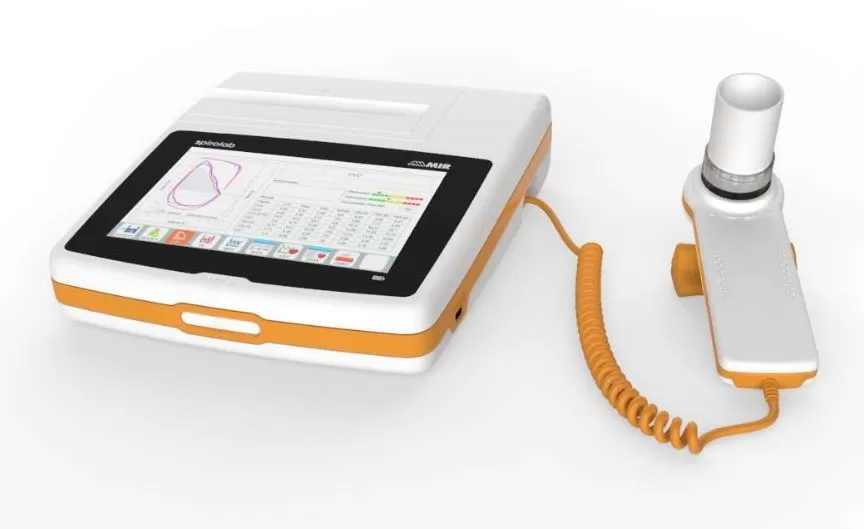
Spirometry is a non-invasive pulmonary function test (PFT) that helps evaluate the capacity and efficiency of the lungs. It is performed using a device called a spirometer, which records the amount of air a patient breathes in and out and the speed of airflow. The test is useful for both diagnosis and monitoring of chronic respiratory diseases.
Symptoms Indicating the Need for Spirometry
A spirometry test is recommended for patients experiencing the following symptoms:
- Chronic cough
- Wheezing
- Shortness of breath (dyspnea)
- Chest tightness
- Frequent respiratory infections
- Difficulty in performing daily activities due to breathlessness
Individuals at risk due to smoking history, occupational exposure to harmful substances, or a family history of lung disease may also require periodic spirometry testing.
How is Spirometry Performed?
- The patient is asked to sit upright and wear a nose clip to prevent air escape.
- A technician provides instructions on how to breathe into the spirometer’s mouthpiece.
- The patient takes a deep breath and exhales forcefully into the device as instructed.
- The test may be repeated multiple times to ensure accuracy.
- If necessary, a bronchodilator may be administered to assess lung function before and after medication.
Interpreting Spirometry Results
The test results are primarily analyzed using two key parameters:
- Forced Vital Capacity (FVC): Measures the maximum amount of air exhaled forcefully after taking a deep breath.
- Forced Expiratory Volume in 1 Second (FEV1): Indicates how much air is expelled in the first second of exhalation.
A lower-than-normal FEV1/FVC ratio may indicate obstructive lung diseases like COPD or asthma, while a reduced FVC could suggest restrictive lung diseases such as pulmonary fibrosis.
Preventive Measures & Management
To prevent respiratory issues and improve lung health, consider the following measures:
- Avoid Smoking: Smoking is a major cause of lung diseases like COPD and lung cancer.
- Minimize Exposure to Pollutants: Avoid exposure to dust, chemicals, and industrial fumes.
- Regular Exercise: Aerobic exercises enhance lung capacity and overall respiratory efficiency.
- Vaccinations: Influenza and pneumonia vaccines help protect against respiratory infections.
- Early Diagnosis & Treatment: Regular check-ups and timely intervention can help manage chronic conditions effectively.
Conclusion
Spirometry is a vital diagnostic and monitoring tool in respiratory medicine. It aids in the early detection and management of lung diseases, improving patient outcomes. Regular spirometry tests are essential for individuals at risk and those experiencing respiratory symptoms. If you or a patient have concerns regarding lung function, consult a healthcare professional for proper evaluation and guidance.