What is Nebulization?
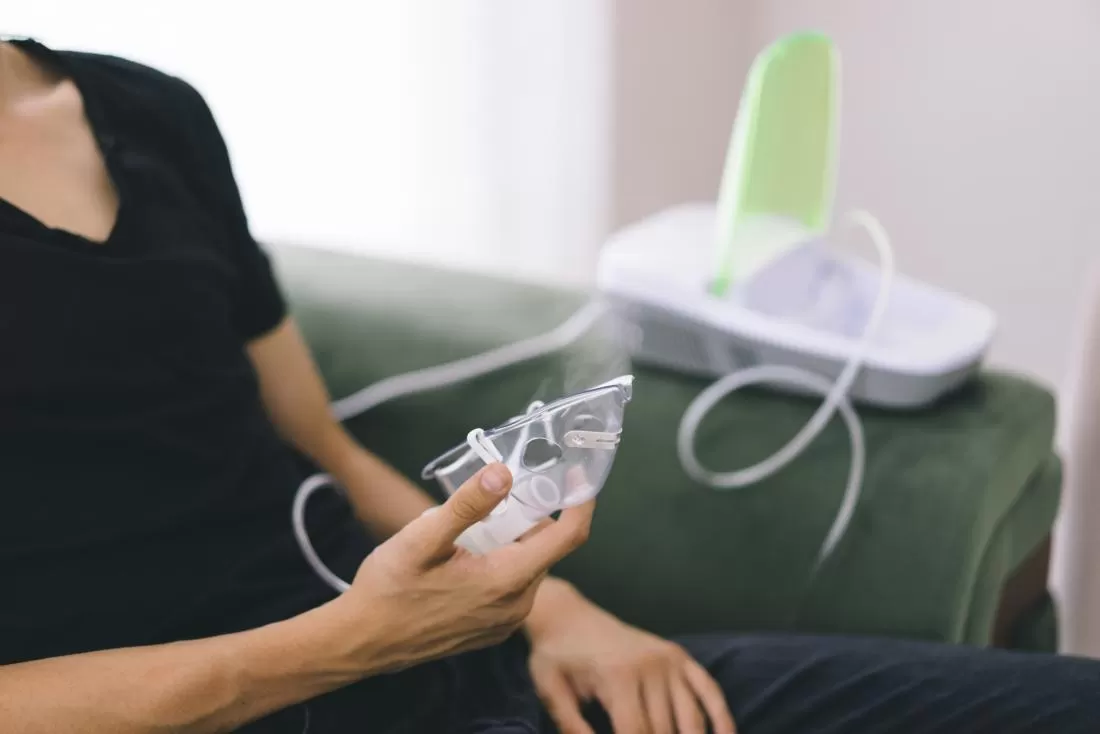
Nebulization is a medical treatment that converts liquid medication into a fine mist, which can be inhaled into the lungs. It is administered using a nebulizer, a device that turns the liquid medicine into an aerosol for easy inhalation. This method is particularly useful for infants, elderly individuals, and patients who have difficulty using inhalers.
Nebulization ensures that the medication reaches deep into the lungs, providing rapid relief from respiratory distress.
Symptoms Indicating the Need for Nebulization
A doctor may recommend nebulization if a patient experiences:
- Difficulty breathing
- Persistent coughing or wheezing
- Shortness of breath (dyspnea)
- Chest tightness or discomfort
- Increased mucus production and congestion
- Frequent respiratory infections
Patients with chronic lung diseases like asthma and COPD, or those suffering from acute respiratory conditions such as pneumonia or severe allergic reactions, may require regular nebulization therapy.
How is Nebulization Performed?
- Prepare the Equipment: Assemble the nebulizer, medication cup, and mouthpiece or mask.
- Add Medication: Pour the prescribed liquid medication into the nebulizer cup.
- Connect the Tubing: Attach the tubing to both the nebulizer cup and the compressor.
- Start the Nebulizer: Turn on the machine to generate a fine mist.
- Inhale the Medication: The patient breathes in the mist through a mouthpiece or mask, inhaling deeply for effective medication delivery.
- Complete the Treatment: The process usually takes 5–10 minutes until all the medication is inhaled.
- Clean the Equipment: As per manufacturers' instructions.
Types of Medications Used in Nebulization
Nebulizers can deliver various types of medications, including:
- Bronchodilators: Medications like albuterol and salbutamol help open airways and ease breathing.
- Corticosteroids: Reduce inflammation in the lungs to prevent asthma attacks.
- Mucolytics: Help loosen thick mucus, making it easier to expel.
- Antibiotics: Used to treat bacterial respiratory infections.
The choice of medication depends on the patient’s condition and the doctor’s prescription.
Preventive Measures & Management
To maximize the benefits of nebulization and maintain good respiratory health, follow these preventive measures:
- Avoid Triggers: Identify and avoid allergens or pollutants that worsen breathing problems.
- Maintain Proper Hygiene: Clean the nebulizer regularly to prevent infections.
- Follow Medication Guidelines: Use nebulization therapy as prescribed by the doctor.
- Practice Breathing Exercises: Techniques like diaphragmatic breathing can improve lung function.
- Stay Hydrated: Drinking plenty of fluids helps thin mucus for easier clearance.
- Regular Check-ups: Routine consultations with a doctor ensure proper respiratory care.
Conclusion
Nebulization is an effective and convenient treatment for managing respiratory disorders, providing fast relief by delivering medication directly to the lungs. It is particularly beneficial for individuals with chronic lung diseases and those experiencing acute breathing difficulties. By following proper guidelines and preventive measures, patients can significantly improve their lung health and overall well-being.
For expert consultation and nebulization therapy, schedule an appointment with our pulmonology specialists today.