What is an ECG?
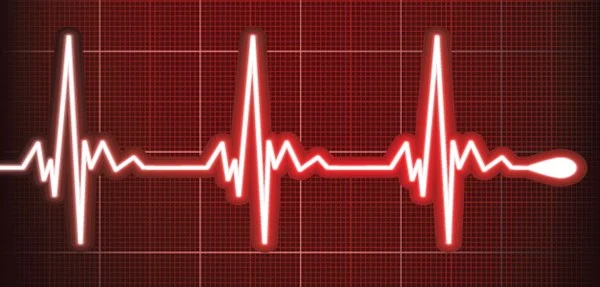
An ECG is a test that records the electrical signals in the heart. These signals control heartbeats and can provide crucial insights into cardiac function. The test involves placing small electrode patches on the chest, arms, and legs, which capture the electrical activity and display it as waveforms on a monitor or paper strip.
ECGs are commonly performed in clinics, hospitals, and emergency settings to diagnose heart conditions and monitor ongoing cardiac treatment.
Symptoms Indicating the Need for an ECG
A doctor may recommend an ECG if a patient experiences the following symptoms:
- Chest pain or discomfort
- Shortness of breath (dyspnea)
- Irregular heartbeats (palpitations)
- Dizziness or fainting spells
- Fatigue or weakness
- High blood pressure
- Swelling in the legs, which may indicate heart failure
People at high risk for heart disease due to diabetes, hypertension, smoking, high cholesterol, or a family history of heart conditions may also require periodic ECG tests.
How is an ECG Performed?
- The patient lies on a bed while a technician attaches small electrode patches to the chest, arms, and legs.
- The electrodes are connected to an ECG machine, which records the heart’s electrical activity.
- The patient is asked to remain still and breathe normally while the machine records the data.
- The procedure is painless and usually takes only a few minutes.
- The results are analyzed by a doctor to identify any abnormalities.
Types of ECG Tests
- Resting ECG: Conducted while the patient is at rest.
- Stress ECG (Exercise ECG): Performed while the patient exercises on a treadmill or stationary bike to assess heart function under stress.
- Holter Monitor: A portable ECG device worn for 24–48 hours to record continuous heart activity.
- Event Monitor: A device worn for longer periods to capture intermittent heart rhythm irregularities.
Interpreting ECG Results
An ECG records the heart’s activity in different waves:
- P wave: Represents atrial contraction.
- QRS complex: Indicates ventricular contraction.
- T wave: Reflects ventricular recovery after contraction.
Doctors analyze these waves to detect issues such as:
- Arrhythmias: Irregular heartbeats, including atrial fibrillation or ventricular tachycardia.
- Myocardial Infarction (Heart Attack): Identified through abnormal ST-segment elevations or depressions.
- Heart Block: Delayed electrical signals that affect heart rhythm.
- Enlarged Heart (Cardiomyopathy): Detected through abnormal wave patterns.
Preventive Measures & Management
To maintain a healthy heart and prevent cardiac disorders, follow these guidelines:
- Adopt a Heart-Healthy Diet: Consume more fruits, vegetables, whole grains, and lean proteins while avoiding trans fats and excessive sodium.
- Exercise Regularly: Engage in at least 30 minutes of moderate exercise most days of the week.
- Manage Stress: Practice relaxation techniques such as meditation, deep breathing, or yoga.
- Control Risk Factors: Monitor and manage high blood pressure, diabetes, and cholesterol levels.
- Avoid Smoking & Excessive Alcohol: These habits contribute to cardiovascular diseases.
- Regular Health Check-ups: Periodic ECG tests and routine heart screenings can help detect and prevent heart diseases early.
Conclusion
An ECG is an essential diagnostic tool for assessing heart function and identifying cardiac disorders. It is quick, painless, and provides valuable insights into heart health. Regular ECG screenings, especially for individuals at risk, can help in early detection and effective management of heart diseases.